
Destination guide
South India tour guide
Kerala’s backwaters, Tamil Nadu’s temple towns, Karnataka and beyond: how we route a South India trip, with sample 10 and 14-day plans.
Updated · Written by the Era Tours team, New Delhi
A South India tour is built around three states: Kerala's backwaters and tea hills, Tamil Nadu's living temple towns, and Karnataka's palaces and ruins, with Pondicherry and Hyderabad as popular additions. It is greener, slower and architecturally quite different from the north: Dravidian temple towers instead of Mughal forts, and it runs on its own weather calendar too. We have been routing South India trips from Delhi since 1997, working with trusted local drivers, guides and hotel partners on the ground in each state, so this is not a desk-bound itinerary drawn on a map. This guide sets out how we build a South India tour, region by region, with sample routes for guests planning ten to fourteen days, and honest notes on how the south differs from the north for anyone weighing up which half of the country to see first.
Kerala: backwaters, hills and Fort Kochi
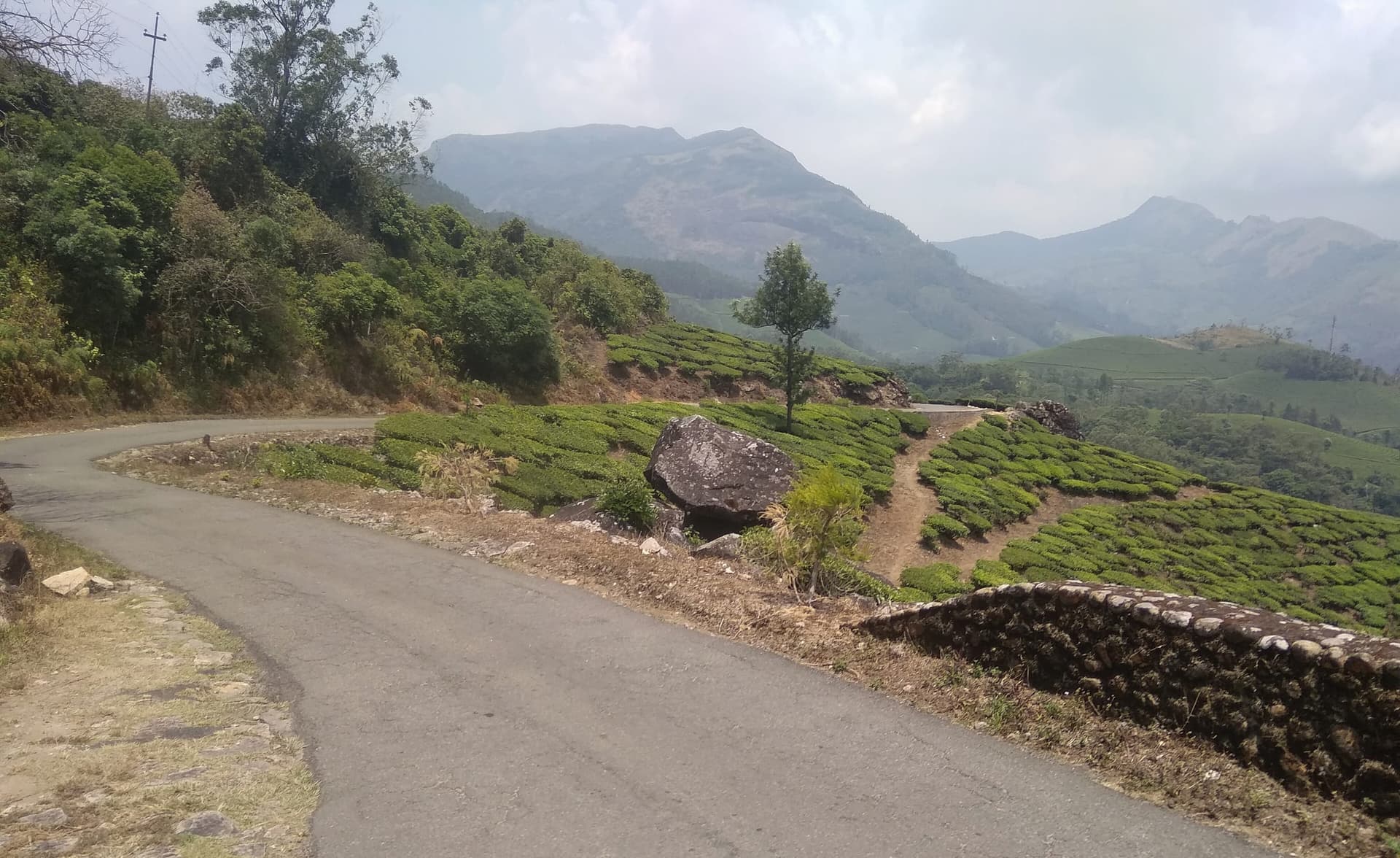
Kerala is where most South India trips begin or end, and for good reason. Fort Kochi opens the state with Chinese fishing nets strung along the harbour, spice warehouses still trading pepper and cardamom, colonial Dutch and Portuguese lanes, and a strong Kathakali and mural-art tradition to explore in an easy day or two. Munnar climbs into tea plantations rippling over the Western Ghats, with plantation bungalow stays and cool hill air a welcome change from the coast. Thekkady, in the Periyar hills, adds spice gardens and a wildlife-rich lake where boat safaris look for elephant and bison along the shoreline. And Alleppey is the reason most guests come at all: a night on a private houseboat, gliding through palm-lined backwater canals past paddy fields and small riverside villages, with meals cooked fresh on board by the boat's own crew. A few days on this Kerala loop, starting in Kochi and finishing in Alleppey or Kollam, already makes a complete, satisfying trip on its own, which is why plenty of guests treat Kerala as a standalone South India tour rather than one stop within a longer one. Our Kerala itinerary guide lays out the day-by-day version of this route in full.
Tamil Nadu: Madurai, Thanjavur & Mahabalipuram
Tamil Nadu holds some of India's most extraordinary living temple architecture, built and rebuilt over two thousand years of continuous worship. Madurai's Meenakshi Temple, with its technicolour carved gopurams rising over the old city, is a working shrine drawing thousands of pilgrims daily, not a museum piece, and is best seen at dawn or during the evening ritual when the crowds and the colour are both at their peak. Thanjavur's Brihadeeswarar Temple, a UNESCO World Heritage Chola masterpiece from the eleventh century, is quieter but equally remarkable, its granite tower among the tallest of its era anywhere in the world. On the coast south of Chennai, Mahabalipuram's rock-cut shore temple and relief carvings, including the famous Arjuna's Penance panel, sit right at the water's edge, and make an easy day trip or overnight from the city, often paired with a stop in Pondicherry.
Karnataka: Mysore & Hampi
Mysore's opulent palace, lit up with thousands of bulbs on Sunday evenings, and its old-city bazaars of silk, sandalwood and incense make an easy, rewarding stop, often paired with a side trip to Chamundi Hill or the Somnathpur temple nearby. Hampi is a different world entirely: the ruined capital of the Vijayanagara Empire, once one of the largest cities on earth, scattered across a boulder-strewn landscape that looks almost otherworldly, with temples, elephant stables, royal enclosures and market colonnades to explore on foot, by bicycle or by coracle across the river, over a full day or two at an unhurried pace. Between Mysore and Hampi, Karnataka also holds Bengaluru, the state capital and India's technology hub, which most guests use purely as a flight connection rather than a sightseeing stop, though its gardens and colonial-era core reward an afternoon for anyone with time to spare.
Pondicherry
A former French colonial enclave on the Tamil coast, Pondicherry's White Town mixes mustard-and-white colonial villas, church spires, bougainvillea-draped courtyards and a seafront promenade with a genuinely different rhythm from the rest of the south, with good cafes, boutique stays and bookshops that feel closer to a small European town than anywhere else in India. The nearby Auroville community, an experimental township built around its golden Matrimandir, adds a further, quite different stop for guests curious about it. Pondicherry slots in naturally alongside Mahabalipuram and Chennai on a coastal Tamil Nadu route.
Hyderabad
Hyderabad sits a little apart from the deep south, geographically and culturally: a Deccan city of Nizam-era palaces, the iconic Charminar at the heart of the old city, and the sprawling Golconda Fort with its famous acoustics, all wrapped in a distinct Hyderabadi cuisine built around biryani and Irani chai. It works well as a stopover between the north and south thanks to good flight connections, or as a standalone addition for guests more interested in Deccan history and cuisine than in Dravidian temples, and it pairs easily with either a Golden Triangle trip or a South India route.
A 10-day South India route
Fly into Kochi, then Munnar for the tea hills, Thekkady for the spice gardens and wildlife lake, and Alleppey for a backwater houseboat night, across Kerala at a comfortable pace with short drives between each stop. From Alleppey, drive or fly on to Madurai for the Meenakshi Temple, and fly out via Madurai or nearby Trichy airport. This covers the two states most guests want most, Kerala and Tamil Nadu, without a single long transfer day eating into the itinerary.
A 14-day South India route
The same Kerala and Madurai backbone, extended in one of two directions depending on your interests. Add Mysore and Hampi in Karnataka before Kerala for a route running Karnataka into Kerala and on to Tamil Nadu, taking in palaces, ruins, tea hills and temples in one arc. Or add Mahabalipuram, Chennai and Pondicherry after Madurai for a Kerala and Tamil Nadu coastal finish, ending on the beach and colonial lanes rather than inland. Fourteen days is enough to add either without any single day feeling rushed, and it is the length we recommend when guests want to see the south properly rather than skim it.
Best months to go
October to March is the most comfortable window across the south for sightseeing and temple visits, with cooler mornings and drier roads. Kerala also has a genuine monsoon season from June to September that many guests now seek out deliberately, both for its lush green landscapes, swollen rivers and dramatic skies, and for Ayurvedic wellness stays, which many practitioners consider at their most effective during the rains, even though travel is slower and wetter through this period. See our best time to visit India guide for how the south compares with the rest of the country month by month.
How the south differs from the north
North India runs on Mughal and Rajput history: forts, palaces, desert dunes and cooler winters, with wheat, dairy and Mughlai gravies on the plate. South India is tropical and Dravidian: soaring temple towers instead of domes and minarets, backwaters and coastline instead of desert, and a cuisine built on rice, coconut, curry leaves and filter coffee. The pace feels different too, generally slower and greener, with less of the north's fort-and-palace grandeur and more emphasis on living ritual, food and landscape. Many guests choose to combine both halves in one trip, flying between them rather than picking one over the other, a route we arrange regularly, alongside our dedicated Tirupati weekend tour for guests short on time who still want one great South Indian temple experience.
FAQ
South India tour: frequently asked questions
The classic route runs Kerala’s backwaters and hill stations into Tamil Nadu’s temple towns, sometimes with Karnataka or Hyderabad added at either end. A good ten-day version covers Kochi, Munnar, Thekkady and Alleppey in Kerala, then Madurai in Tamil Nadu. Fourteen days lets you add Mysore or Hampi in Karnataka, or Chennai and Mahabalipuram on the Tamil coast.
October to March is the most comfortable season across the south, with cooler, drier weather for temple-hopping and hill-station walks. Kerala also has a distinct monsoon season from June to September, which is lush and dramatically green and increasingly popular for Ayurvedic retreats, though travel is wetter and slower. See our best time to visit India guide for how it fits a wider trip.
The south is greener, more tropical and built around Dravidian temple architecture rather than Mughal forts and palaces, with towering, sculpted gopurams instead of red sandstone gates. Backwaters, tea and spice hills, and a distinct cuisine (rice, coconut, filter coffee) set it apart from the north’s deserts, snow-capped Himalaya and Mughal monuments. Most first-time visitors find the two halves feel like different countries.
Ten days covers Kerala and one Tamil Nadu temple town comfortably. Fourteen days is the sweet spot, adding either Karnataka (Mysore and Hampi) or the Tamil coast (Mahabalipuram and Pondicherry) without feeling rushed. A week works if you focus on Kerala alone: the backwaters, Munnar and Fort Kochi make a satisfying trip on their own.
Yes, and it is a popular two-week combination thanks to good domestic flight connections. A typical route covers Delhi, Agra and Jaipur in the north, then a flight to Kochi for Kerala’s backwaters and hills, or to Chennai for the Tamil temple towns. The contrast between the two halves is part of the appeal, and we arrange the whole route, flights included.
Ready to plan your South India tour?
Tell us your dates and interests and our Delhi team will shape Kerala, Tamil Nadu and Karnataka into a private, tailor-made route with an honest quote, usually the same day.